
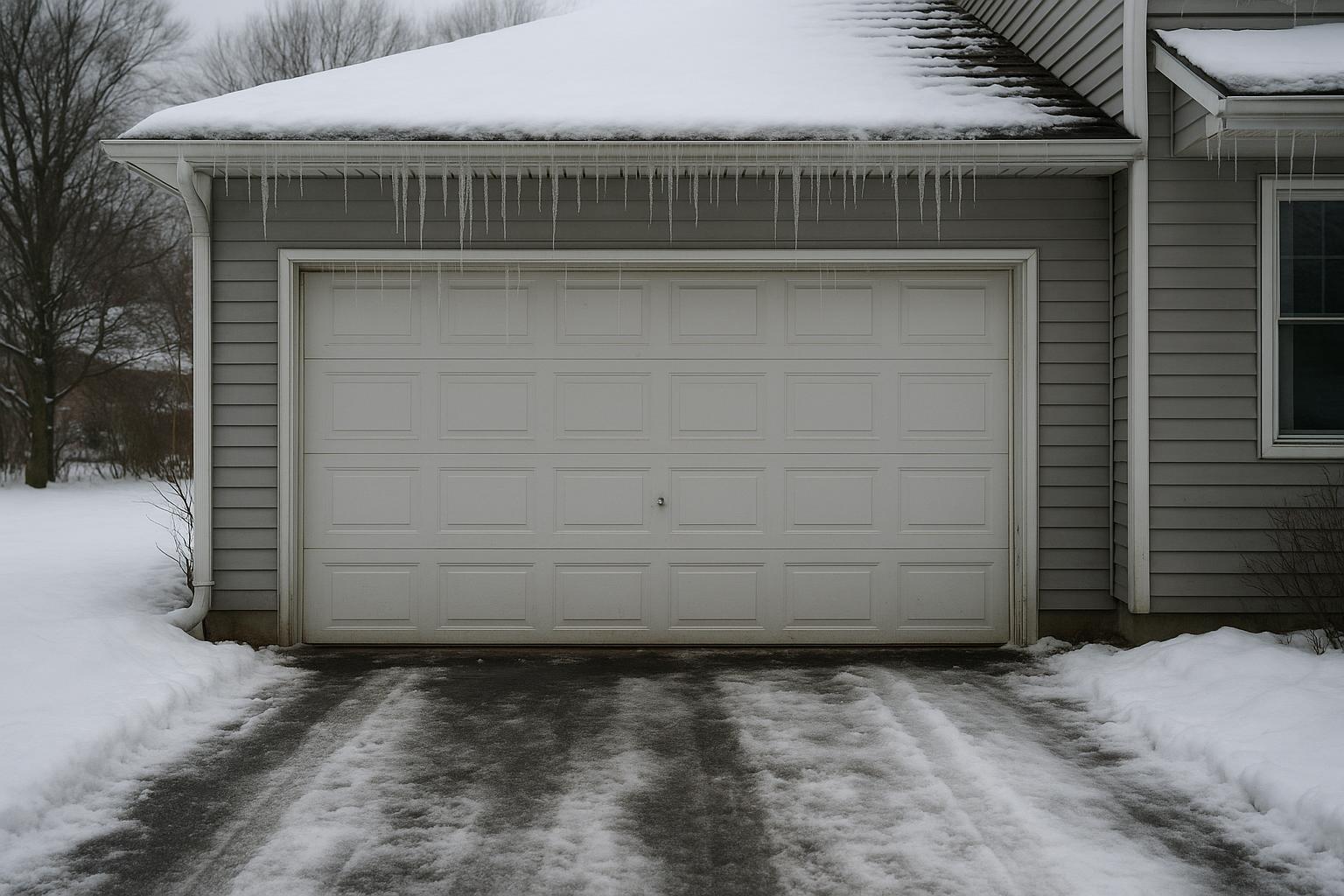
Winter Is Tough on Everything — Including Your Garage Door
If you've lived in Rochester, NY for even one winter, you know the cold doesn't mess around. Between sub-zero wind chills, heavy lake-effect snow, and ice storms that coat everything in sight, our winters push homes to their limits. And one of the most overlooked victims of all that brutal weather? Your garage door.
Most homeowners don't think about their garage door until something goes wrong. But when temperatures drop well below freezing — which happens regularly from December through March here in the Rochester area — your garage door system is under serious stress. Understanding how cold weather affects your door can help you avoid breakdowns, stay safe, and save money on emergency repairs.
Garage Door Springs Can Snap in Cold Weather
This is the number one winter garage door problem we see across Rochester, Greece, Irondequoit, and the surrounding areas. Garage door springs are under tremendous tension every single day, and cold weather makes the metal contract and become more brittle. When temperatures plunge, a spring that was already nearing the end of its lifespan can snap without warning.
A broken spring is more than an inconvenience — it can be dangerous. The door becomes extremely heavy and difficult to lift, and attempting to operate it manually or with the opener can cause further damage or injury.
What You Can Do
- Have your springs inspected before winter arrives. A professional can assess their condition and estimate remaining lifespan.
- If your springs are more than seven to ten years old, consider proactive replacement before they fail on the coldest morning of the year.
- Never attempt to replace garage door springs yourself. The tension involved makes this one of the most dangerous DIY repairs a homeowner can attempt.
Your Garage Door Opener Works Harder in the Cold
Garage door openers are designed to lift a specific amount of weight. But in freezing conditions, several factors increase the resistance your opener has to overcome. Thickened lubricant on the tracks and rollers creates more friction. Contracted metal parts don't move as freely. And if ice or snow has built up along the bottom seal or threshold, the opener may strain or stall entirely.
Over time, this extra strain can burn out the motor, strip gears, or cause the opener to overheat. You might notice the door moving more slowly than usual, making grinding noises, or stopping partway through its travel.
What You Can Do
- Use a silicone-based lubricant on your rollers, hinges, and tracks. Unlike grease or oil-based products, silicone lubricant won't thicken or gum up in cold weather.
- Clear snow and ice away from the bottom of your garage door regularly.
- If your opener is more than 15 years old and struggling in winter, it may be time for a replacement with a newer, more powerful model.
Weatherstripping Cracks and Fails
The rubber weatherstripping along the bottom and sides of your garage door is your first line of defense against cold air, moisture, and pests. Unfortunately, Rochester winters are brutal on rubber. Repeated freezing and thawing cycles cause the material to crack, harden, and lose its flexibility. Once the seal is compromised, cold air pours into your garage, your energy bills climb, and moisture can lead to rust and water damage.
Another common winter problem is the bottom seal freezing to the garage floor. When you hit the opener button, the door tries to pull away from the frozen seal, which can tear the weatherstripping right off or cause the opener to strain and malfunction.
What You Can Do
- Inspect your weatherstripping each fall. If it's cracked, stiff, or pulling away from the door, replace it before winter sets in.
- If your door keeps freezing to the floor, try applying a thin layer of cooking spray or silicone spray along the bottom seal to prevent ice adhesion.
- Never force the door open if it's frozen down. Break the ice seal gently with a flat shovel or pour lukewarm water along the base first.
Metal Tracks Can Shift and Contract
Your garage door runs along metal tracks on either side of the opening. In extreme cold, these tracks can contract slightly, which may cause the door to bind, stick, or come off track entirely. Even a small shift of a fraction of an inch can create big problems for smooth operation.
Additionally, moisture from snow and ice can accelerate rust on the tracks, rollers, and hardware. Rust creates rough spots that increase friction and wear on the entire system.
What You Can Do
- Visually inspect your tracks for gaps, bends, or signs of rust at least once during the winter season.
- Wipe down the tracks with a clean cloth and apply silicone lubricant to keep things moving smoothly.
- If you notice the door wobbling, making scraping sounds, or sitting unevenly, call a professional before the problem gets worse.
Your Garage Door Panels Can Warp or Crack
Wooden garage doors are especially vulnerable to Rochester's freeze-thaw cycles. Moisture seeps into the wood, freezes, expands, and causes warping or cracking over time. But even steel and aluminum doors aren't immune — dents and dings from ice, snow shovels, or debris can compromise the door's insulation and structural integrity.
If you have an older, uninsulated garage door, winter is when you'll feel the consequences most. An uninsulated door offers almost no thermal barrier, meaning your garage stays nearly as cold as the outdoors. This affects anything stored in the garage and can even impact the rooms above or adjacent to it.
What You Can Do
- Consider upgrading to an insulated garage door. Modern insulated doors with polyurethane or polystyrene cores make a dramatic difference in temperature regulation and energy efficiency.
- Seal any cracks or gaps in wooden doors with exterior wood filler and repaint or restain to protect against moisture.
- If your panels are severely warped or damaged, individual panel replacement is often possible without replacing the entire door.
Schedule a Winter Maintenance Checkup
The best way to avoid a garage door emergency on a freezing Rochester morning is to stay ahead of the problem. A professional maintenance visit covers all the critical components — springs, cables, rollers, tracks, opener, weatherstripping, and hardware — so small issues get caught before they turn into big, expensive repairs.
At Rochester Garage Door Service, we help homeowners across Rochester, Gates, Henrietta, Webster, and the surrounding communities keep their garage doors running reliably all winter long. Whether you need a quick tune-up, a spring replacement, or you're thinking about upgrading to a new insulated door, we show up on time and get it done right.
Don't wait until you're stuck in your driveway on a ten-degree morning. Contact us today to schedule your winter garage door inspection and give yourself one less thing to worry about this season.